
How Can I Learn to Make Jewelry at Home If I’m a Complete Beginner?
November 6, 2026 | Read
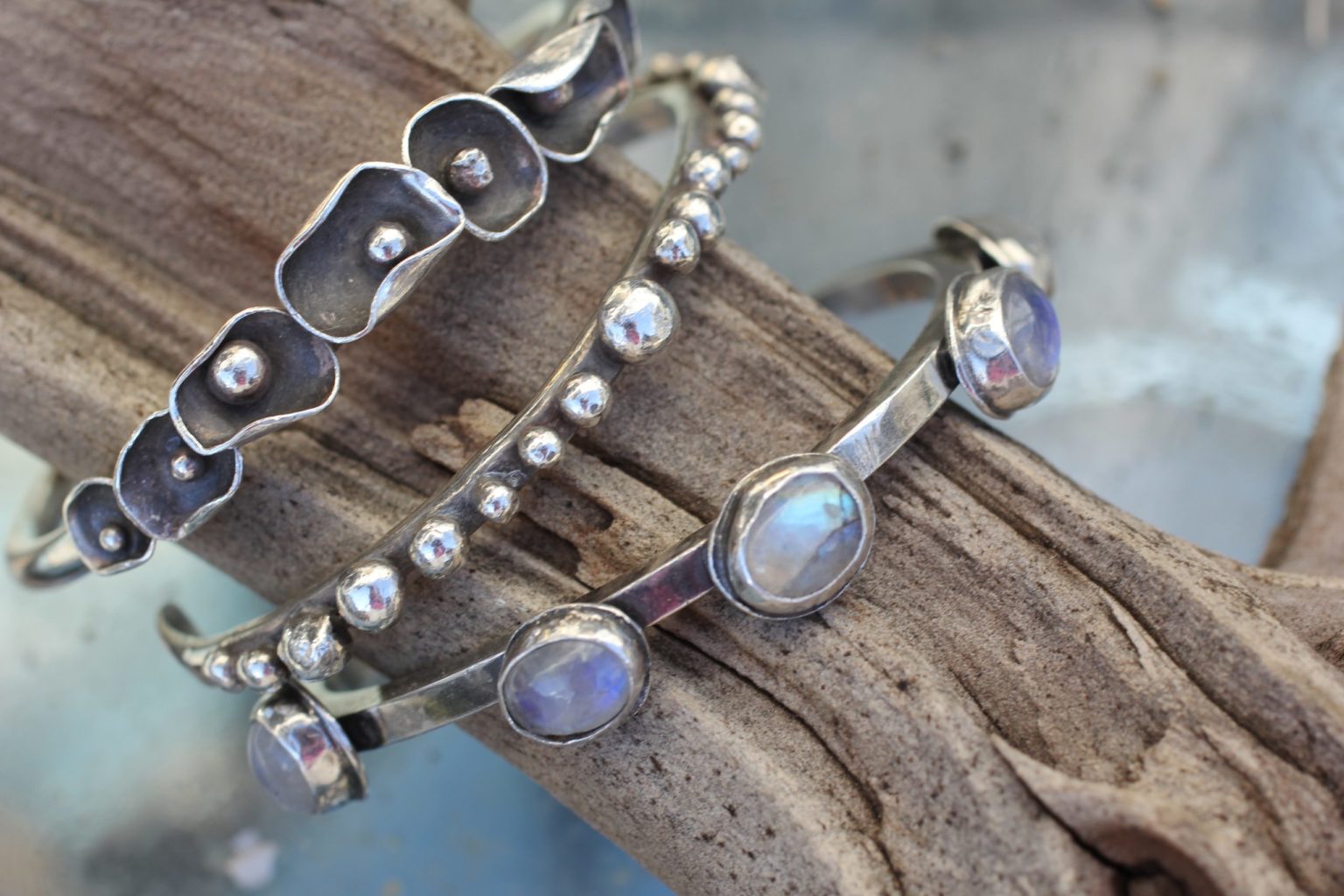
If you’re a complete beginner wondering how to learn jewelry making at home, the best place to start is with a project that excites you and an experienced teacher who can guide you through the techniques.
The best way to begin is to choose a project that excites you, learn the techniques from an experienced teacher, and give yourself permission to experiment as you develop your skills.
At CRAFTCAST.com, we believe one of the most exciting things about making jewelry is discovering that you can create something beautiful with your own hands.
You don’t need years of experience. You don’t need a fully equipped studio. And you certainly don’t need to get everything right the first time.
You just need curiosity, a willingness to learn, and a little guidance along the way.
What’s the easiest way to start making jewelry at home?
Start with something you genuinely want to make.
Maybe you’ve seen a beautiful pair of earrings, a colorful polymer clay necklace, or a textured pendant and thought, “I wish I knew how to make that!”
That excitement is a wonderful place to begin.
Instead of trying to learn every jewelry-making technique at once, choose one project and learn the skills you need to complete it.
For example, you might begin by learning how to make simple earrings, shape polymer clay, or connect jewelry components.
As you work, you’ll become familiar with the materials, tools, and techniques involved.
The key is to start with a project that fits your experience level.
A good beginner project should teach you something new without requiring you to master ten different techniques at once.
And remember, your first project doesn’t have to be perfect. It’s your opportunity to learn.
What types of jewelry can beginners learn to make?
One of the most exciting things about jewelry-making is the variety of materials and techniques available.
You can explore completely different styles, from colorful contemporary jewelry to pieces inspired by traditional metalsmithing.
Here are several possibilities.
Can beginners make polymer clay jewelry?
Yes! Polymer clay is a wonderful material to explore if you love color, pattern, and design.
You can create beads, earrings, pendants, and decorative components using a wide variety of colors and surface treatments.
Polymer clay also offers opportunities to experiment with textures, layering, and unusual shapes.
You’ll need to learn how to condition the clay, shape it, and cure it according to the manufacturer’s instructions.
As your skills develop, you can explore more elaborate techniques.
Ready to explore the possibilities? Discover CRAFTCAST’s polymer clay classes and see what you could learn to make!
Can beginners learn metal clay jewelry-making?
Yes, although metal clay requires some additional equipment and technical knowledge.
Metal clay allows artists to shape and texture a clay-like material that becomes metal after proper firing.
It’s an exciting way to explore jewelry-making because you can create intricate textures and forms without beginning with traditional metal fabrication.
However, different metal clays have different firing requirements, shrinkage rates, and handling characteristics.
Learning these details from an experienced instructor can help you avoid costly mistakes.
Curious about metal clay? Explore CRAFTCAST’s FREE Metal Clay Techniques tutorial and discover what’s possible with this fascinating material.
What about wire jewelry and beads?
Wire and bead jewelry can be a practical starting point.
You can learn to connect components, create loops, attach findings, and assemble earrings, bracelets, and necklaces.
These fundamental skills can become useful in many other jewelry-making techniques.
You don’t have to decide which type of jewelry will become your favorite before you begin.
Part of the fun is discovering what you enjoy working with.
What jewelry-making tools do I need as a beginner?
This is one of the most common concerns for people who are just starting.
It’s tempting to purchase lots of beautiful tools and supplies before you understand what they’re used for.
But there’s a better approach.
Choose your first project before buying your tools.
Different jewelry-making techniques require different equipment.
For basic jewelry assembly, you might need round-nose pliers, chain-nose pliers, wire cutters, and suitable findings.
For polymer clay, you might need a work surface, a clay roller, shaping tools, and equipment suitable for curing the clay.
Metal clay may require specialized tools, firing equipment, and finishing supplies.
The exact list depends on the project and material.
Before purchasing supplies, look for a class that explains what you’ll need and why.
At CRAFTCAST, our classes include resource handouts with information and links covered during instruction.
That makes it easier to revisit the details when you’re ready to work.
Should I buy a complete jewelry-making tool kit?
Not necessarily.
A kit may be convenient if it contains the tools required for your chosen project. But a large assortment isn’t automatically a better investment.
You may find that a few carefully selected tools are more useful than a drawer full of equipment you don’t yet know how to use.
Start with what you need, learn how to use it, and expand your collection as your interests grow.
Can I really learn jewelry-making through online classes?
Absolutely. Online instruction can be especially useful when you want to learn from an expert without traveling to a physical classroom.
You can watch techniques demonstrated, study how tools are handled, and learn the sequence of steps involved in making a project.
But there’s an important difference between simply watching someone create something and understanding how to make it yourself.
A useful jewelry-making class should explain not only what the teacher is doing, but also why.
For example, why does a particular technique require a certain tool?
Why does the material behave differently under certain conditions?
And what should you do if your project doesn’t turn out as expected?
Those explanations can make an enormous difference when you’re working independently.
What makes a good online jewelry-making teacher?
Look for an instructor who can clearly demonstrate techniques, explain important details, and address common problems.
Being an accomplished artist and being an effective teacher are two different skills.
At CRAFTCAST.com, founder Alison Lee hosts master teachers from around the world who share their expertise in jewelry-making and other creative techniques.
Our teaching approach emphasizes thorough demonstrations, including what can go wrong and how to correct mistakes.
Because learning doesn’t always happen perfectly the first time.
And that’s perfectly fine.
Should I choose a LIVE online class or a recorded jewelry tutorial?
Both can be valuable, and the right choice depends on how you prefer to learn.
What are the advantages of a LIVE online class?
A LIVE class allows you to watch the instructor demonstrate techniques as the session happens.
One of the wonderful things about a LIVE class is being able to ask questions as the teacher demonstrates each technique.
At CRAFTCAST, Alison Lee hosts master teachers from around the world who share their expertise and answer students’ questions during LIVE sessions.
Perhaps the teacher demonstrates a step and you wonder whether a different material would work.
Or maybe you want to understand why a certain tool is being used.
Being able to ask questions adds another dimension to the learning experience.
Explore CRAFTCAST’s LIVE online classes and discover what you could learn to make next!
What are the advantages of recorded video tutorials?
Recorded tutorials let you learn at your own pace.
You can pause, replay, and return to a technique when you’re ready to try it.
Maybe you need to watch a demonstration several times before attempting it yourself.
Or perhaps you completed the class months ago and want to revisit a particular technique.
With CRAFTCAST, LIVE class purchases include the recording, which is added to your CRAFTCAST Library for future viewing.
You can return to your purchased class when you’re ready to create.
What should I do if my first jewelry project goes wrong?
First, don’t assume you’ve failed.
Making something by hand involves experimentation, and materials don’t always behave exactly as expected.
A piece of polymer clay might not look the way you imagined.
A connection might not sit correctly.
A metal clay component might develop a problem during construction or firing.
Different problems require different solutions, and some pieces cannot be safely or successfully repaired.
But learning to recognize what went wrong is an important part of developing your skills.
At CRAFTCAST, we deliberately demonstrate common mistakes and explain how to rescue a piece when a suitable correction is possible.
That approach matters because the goal isn’t simply to follow instructions when everything goes perfectly.
It’s to understand the technique well enough to respond when something unexpected happens.
One CRAFTCAST student told us she no longer felt afraid to try a difficult technique after seeing a teacher make a mistake and demonstrate how to fix it.
That’s the kind of confidence we want students to develop.
How can I become more confident making jewelry?
Confidence grows through understanding and practice.
Try these steps:
- Choose one technique you’d like to learn.
- Watch the demonstration before beginning.
- Gather the recommended tools and materials.
- Follow the steps at a comfortable pace.
- Pay attention to the explanations, especially the troubleshooting.
- Practice the technique and revisit the lesson when needed.
- Use what you’ve learned in another project.
You don’t have to master everything in one afternoon.
Each project gives you another opportunity to understand how your materials work.
What are the most common mistakes beginning jewelry makers make?
Buying too many supplies before choosing a project
It’s easy to become excited by beautiful materials and tools.
But buying supplies without a specific plan can become expensive and confusing.
Start with a project and purchase the materials it requires.
Trying an advanced project without learning the fundamentals
A complicated design may involve several unfamiliar techniques.
If you’re just beginning, consider learning the basic skills first.
You can still keep that exciting project as something to work toward.
Skipping instructions about materials
Jewelry-making materials can have specific requirements.
For example, polymer clay must be cured according to the manufacturer’s directions. Metal clay requires appropriate firing methods, and resin products have their own handling and curing instructions.
Always follow product safety guidance and use suitable equipment.
Giving up when something doesn’t look right
This may be the most discouraging mistake of all.
When something goes wrong, try to identify the cause before abandoning the project.
Sometimes the problem can be corrected. Other times, the experience teaches you what to change next time.
Either way, you’ve learned something useful.
How much does it cost to start making jewelry at home?
The cost depends on the technique, materials, tools, and class you choose.
Simple jewelry assembly may require relatively few tools.
Polymer clay projects can involve additional supplies and curing equipment.
Metal clay, soldering, and some resin techniques may require more specialized materials, tools, ventilation, or safety equipment.
There’s no single beginner budget that applies to every kind of jewelry-making.
Before you invest, check the complete materials list for your chosen project.
If you’re unsure whether you want to continue with a technique, consider beginning with a project that uses fewer specialized tools.
And don’t forget to check whether you already own something suitable.
What might my first jewelry-making experience look like?
Imagine two different beginners.
Scenario 1: You’ve never made jewelry before
You see a pair of earrings that you love and decide you’d like to learn how to make something similar.
You find a beginner-friendly class, review the materials list, and gather your supplies.
You watch the demonstration and begin practicing.
Your first attempt may take longer than expected, but you start understanding how the components fit together.
You now have a foundation for your next project.
Scenario 2: You’ve tried before and were disappointed
Perhaps you bought polymer clay supplies, attempted a project, and weren’t happy with the result.
Instead of purchasing more materials immediately, you decide to learn the technique from an experienced instructor.
You watch how the material is prepared, shaped, and finished.
You also learn about common mistakes and how to avoid or correct them.
When you try again, you’re working with a clearer understanding of the process.
These are illustrative scenarios, not individual customer testimonials. They show how structured instruction can support different starting points.
How do I choose my first online jewelry-making class?
Look for a project that excites you and a teacher who explains the process clearly.
Before enrolling, ask yourself:
- Does this project match my current experience?
- Do I understand what tools and materials I’ll need?
- Will the teacher explain the technique in detail?
- Can I revisit the instruction afterward?
- Is there an opportunity to ask questions?
- Will I receive useful reference information?
One of the best ways to begin is to choose a project that makes you excited to learn.
For example, CRAFTCAST’s Beautiful Bangles in Polymer Clay class welcomes beginners and introduces you to the creative possibilities of polymer clay jewelry.
Remember, the goal isn’t just to finish a project. It’s to learn techniques you’ll enjoy using again!
Frequently Asked Questions About Learning Jewelry-Making at Home
Can I learn jewelry-making at home without any experience?
Yes, you can learn jewelry-making at home without any experience by starting with an appropriate beginner project and following clear instruction.
Choose a technique that interests you, gather the necessary materials, and practice the basic steps before attempting more complex designs.
What is the best jewelry-making technique for beginners?
The best jewelry-making technique for beginners depends on what you enjoy creating and the tools you want to use.
Basic jewelry assembly and some polymer clay projects can offer accessible starting points. More specialized techniques may require additional instruction and equipment.
Do I need expensive tools to start making jewelry?
You don’t necessarily need expensive tools to start making jewelry.
Your equipment requirements depend on the project. Start with the essential tools recommended for your chosen technique rather than buying a large collection immediately.
Are online jewelry-making classes worth taking?
Online jewelry-making classes can be worth taking when they provide clear demonstrations, useful explanations, and guidance that helps you understand the process.
Look for instruction that addresses common mistakes and allows you to revisit techniques as needed.
What if I’m not naturally creative?
If you don’t consider yourself naturally creative, you can still learn jewelry-making.
Creativity isn’t a requirement you must prove before starting. Learning techniques, experimenting with materials, and making design choices are all ways to develop your creative abilities.
Can I ask questions during an online jewelry-making class?
Yes, you can ask questions during CRAFTCAST’s LIVE online jewelry-making classes.
Students have opportunities to interact with instructors during the session, helping them understand techniques and clarify details.
Where can I find online jewelry-making classes for beginners?
You can find online jewelry-making classes for beginners at CRAFTCAST.com, where Alison Lee hosts master teachers from around the world.
CRAFTCAST offers LIVE online classes and recorded video tutorials covering jewelry-making and other creative techniques.
Ready to Make Something Beautiful?
There’s something wonderful about seeing a piece of jewelry and imagining what it would feel like to make it yourself.
Maybe you’ve never tried before.
Maybe you’ve already purchased supplies and aren’t sure where to begin.
Or maybe you’ve tried a technique, been disappointed, and want to give it another chance.
Whatever your starting point, learning from an experienced teacher can help you understand the process and develop the skills to keep creating.
Alison Lee is the founder of CRAFTCAST.com, an online creative education platform serving jewelry makers and craft enthusiasts worldwide through LIVE classes and recorded video tutorials taught by master teachers.
Our goal is to help you move from “I want to make that!” to the wonderful moment when you look at your finished creation and think:
“I can’t believe I made that!”
Ready to turn “I want to make that!” into “I can’t believe I made that!”?
Whether you’re a complete beginner or returning to a technique you’ve tried before, CRAFTCAST’s master teachers can help you develop your skills and create jewelry you’re proud of.
Explore CRAFTCAST’s recorded video tutorials and find a project that inspires you!
Your next creative adventure is waiting!


Add your thoughts